
Better to Live the Dream
Or Imagine It
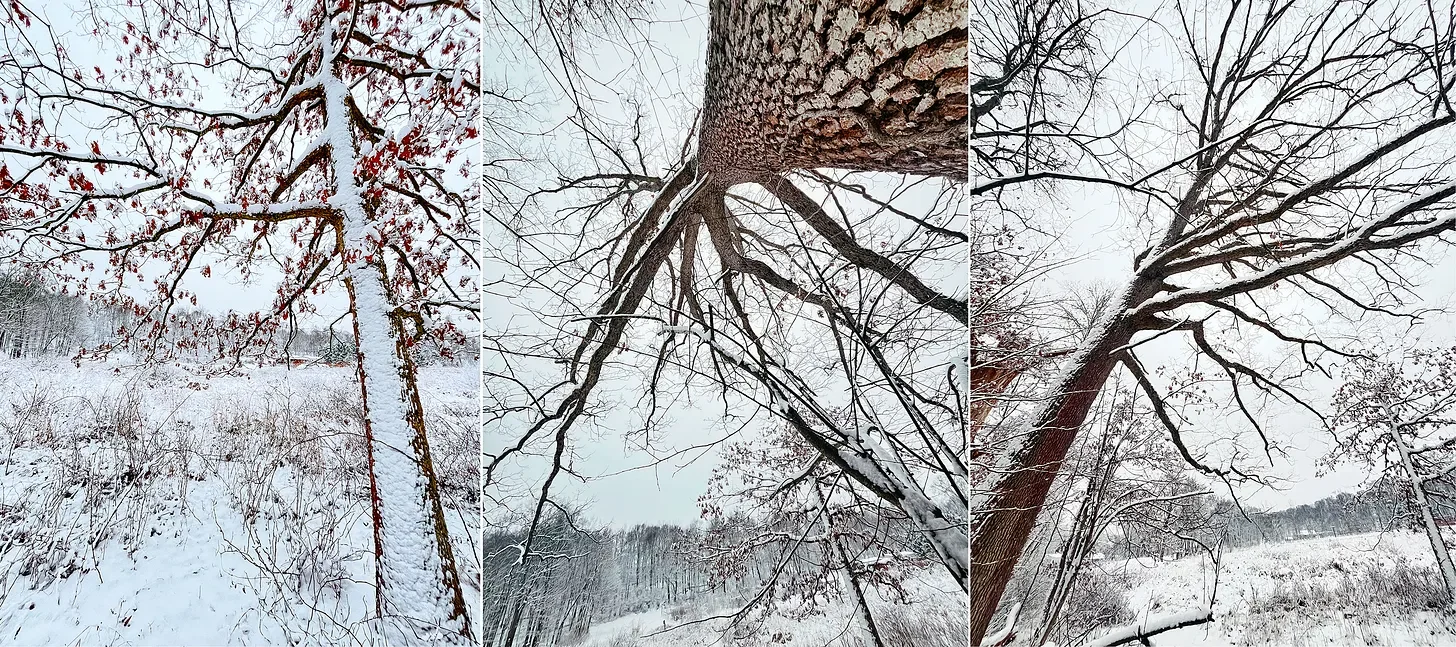
We’re in the midst of being lightly snowed in.
It was within this time of year, and this kind of weather, that Dan serendipitously discovered willow basketry in the midst of YouTube rabbit holing. That moment, more than 5 years ago, set us on a path that has unfolded very slowly, and is only now erupting with opportunity, and complexity.
This past week we attended a meetup with 7 other artists. Experiencing creative company (other than with each other) is a few and far between occurrence, especially in winter. It was an informal 2-hour session where we didn’t know what to expect, but all the topics that have been swirling at home between Dan and I emerged and became points of discussion. Our issues and ideas, and everyone else’s, were given the space to breathe.
We brought up looming anxieties around big teaching commitments in the year ahead, as well as thoughts about unique instructional methods we greatly wish to employ, but aren’t quite sure how. Suggestions were made, resources offered, and curiosities piqued. The different vantage points, ages, and preferred artistic mediums at the table allowed for a multifaceted thread of dialogue we didn’t know we needed.
Pursuing this path focused on art, agriculture and craft continues to be a challenge. Each development has stretched us, often uncomfortably, but the spark of inspiration from this gathering was fortifying. Every maker struggles with similar obstacles and lofty desires, which can be alleviated or encouraged by simply bringing them into conversation. Isolation, frequently the more attractive option, offers little levity.
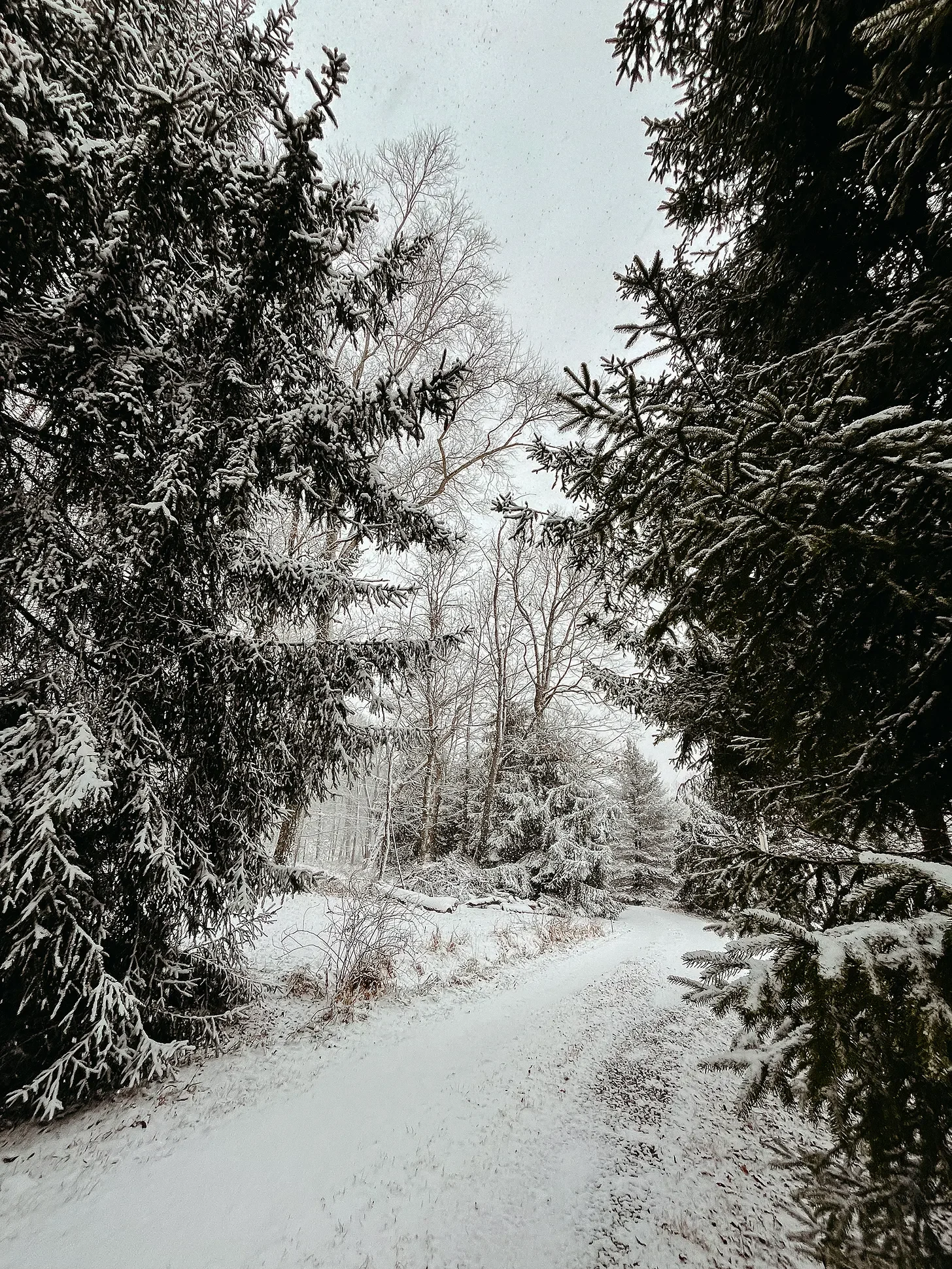
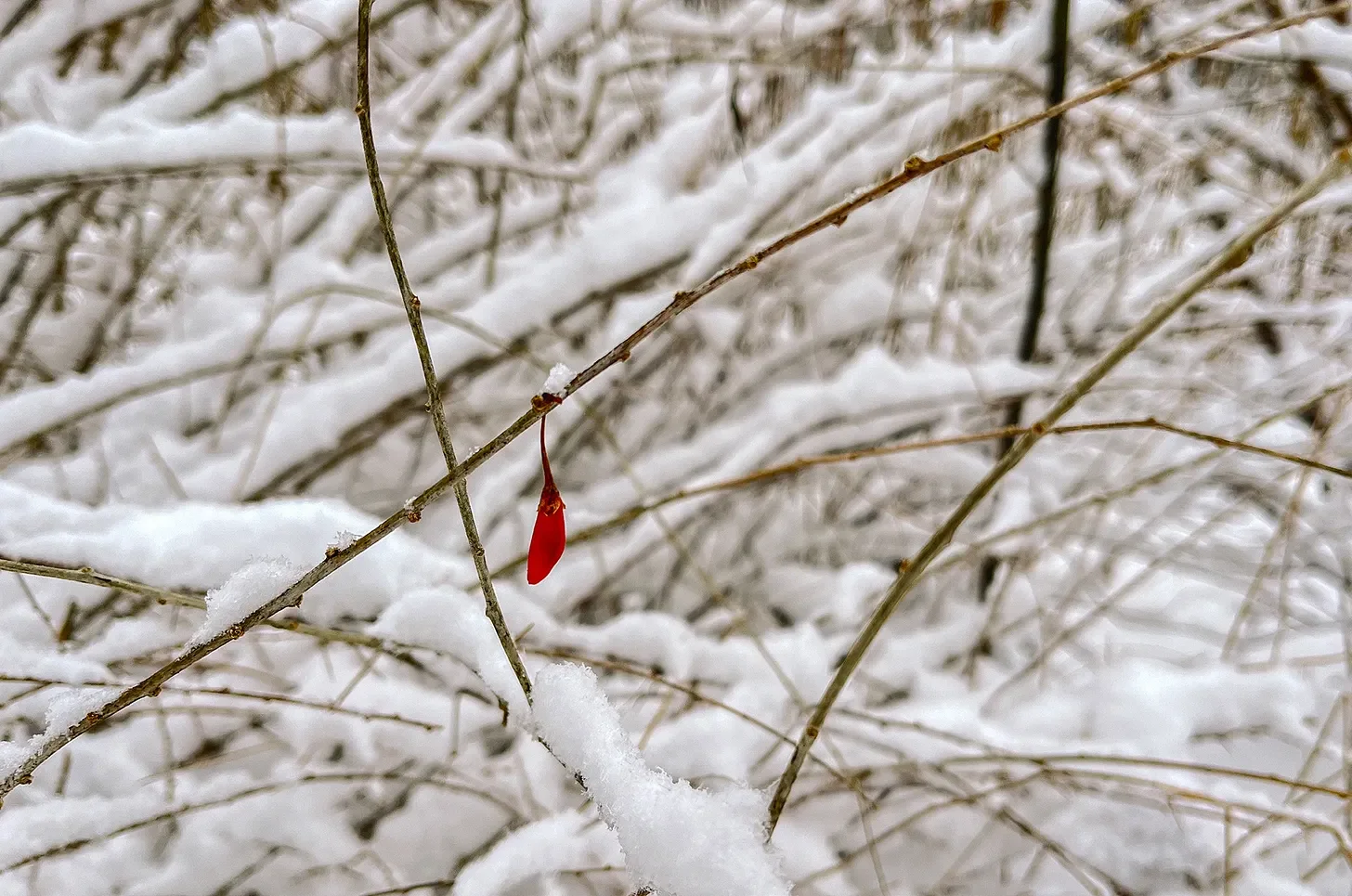
The number one question people ask Dan is: How did you learn to weave? When he responds: Mostly YouTube, and some books, they’re not terribly surprised. You can learn just about anything online, although I am envious of the discipline and patience that have allowed him to endure through that method of education. But despite the digital origins of his craft story, success only began to blossom when we started to connect and share it with real people in the real world. Success, and complexity.
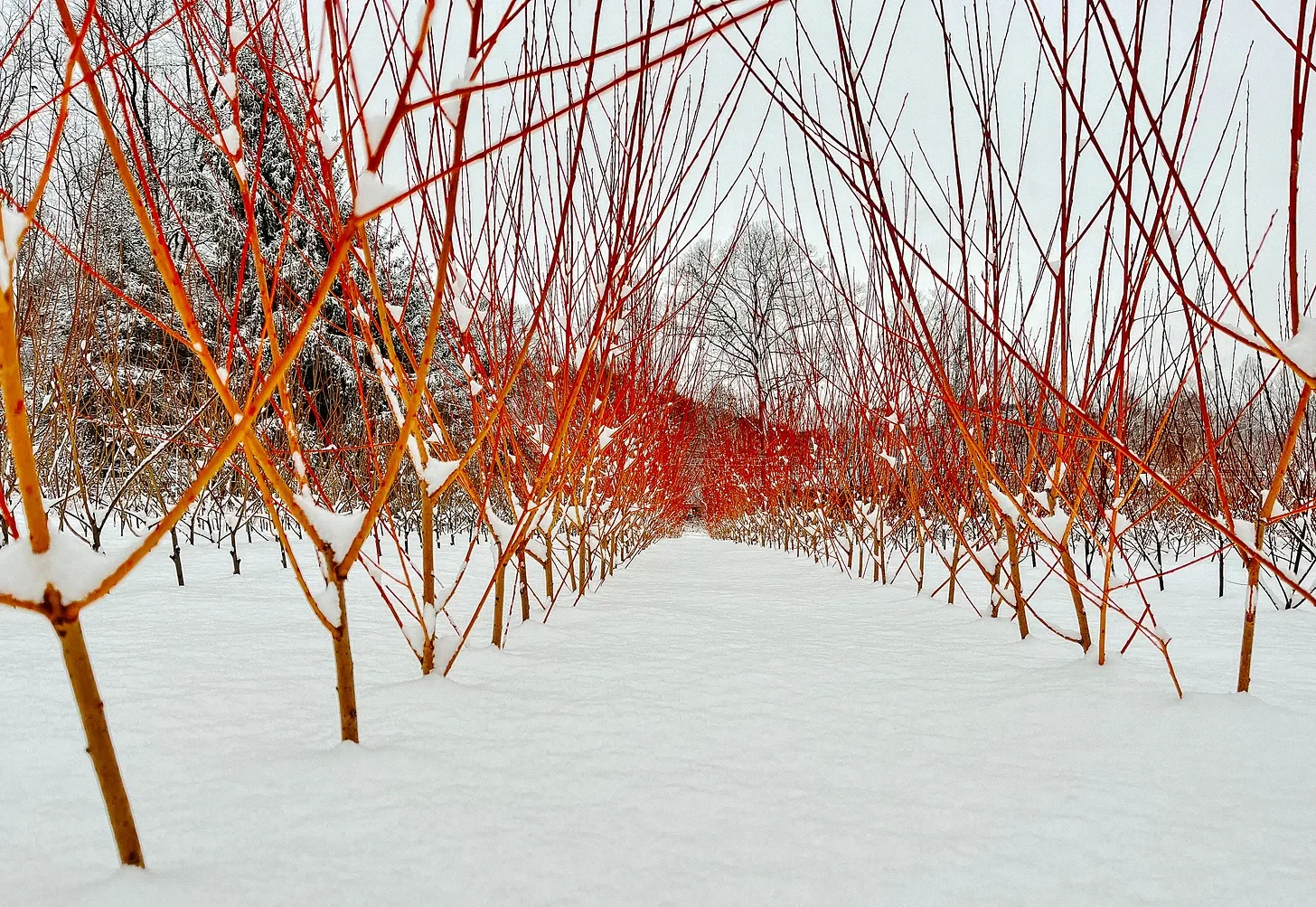
2024 already feels overwhelming, if only in our minds, but this blanket of snow has been a welcome arrival. Cozy and quiet views conjure past winters spent simply dreaming of this life we’re now living, which is an easily romanticized memory. The imagination lacks awareness of the full scope of reality, which is wrought with unforeseen dimensions. It is a challenge to narrate the nuances of this journey, here and elsewhere, but one that yields clearer navigation of the next leg.
One, slightly clearer, step at a time.
Originally Published on January 7, 2024
Overwhelming Domesticity
And Downpours 🌧️
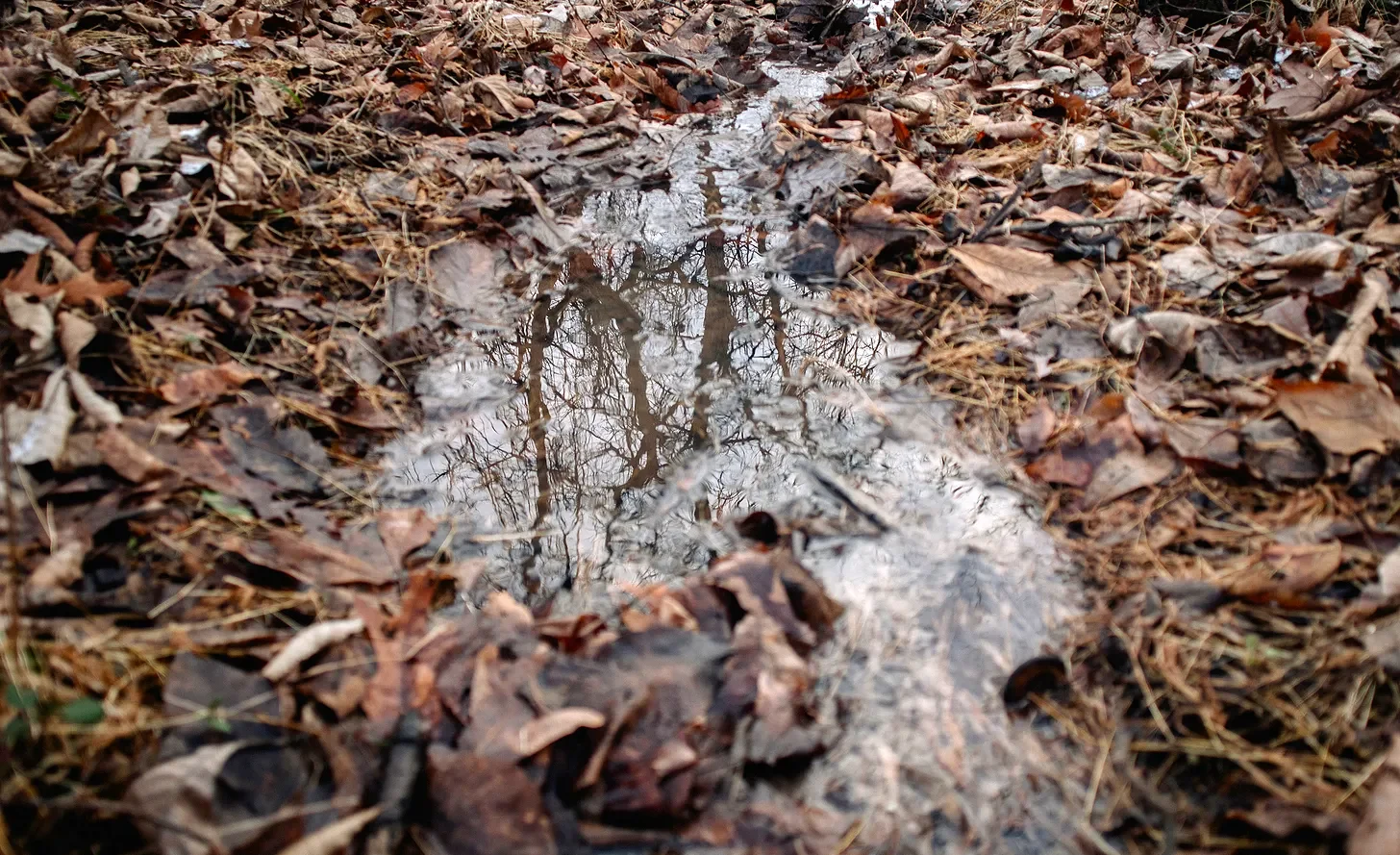
This past week we received every configuration of rain in abundance.
The accumulation from endless hours of downpours, and very nearly frozen sheets of sleet, added up to a sum that can only be described as: swamp.
On Thursday the precipitation paused, gifting a gorgeousness that allowed for comfortable and overdue harvesting, but the blue skies reflected on overflowing streams were an unavoidable reminder of the deluge endured.
No dreams of winter wonderland include wading through mud, but when that’s the reality the concept of wonderland becomes an inside job.
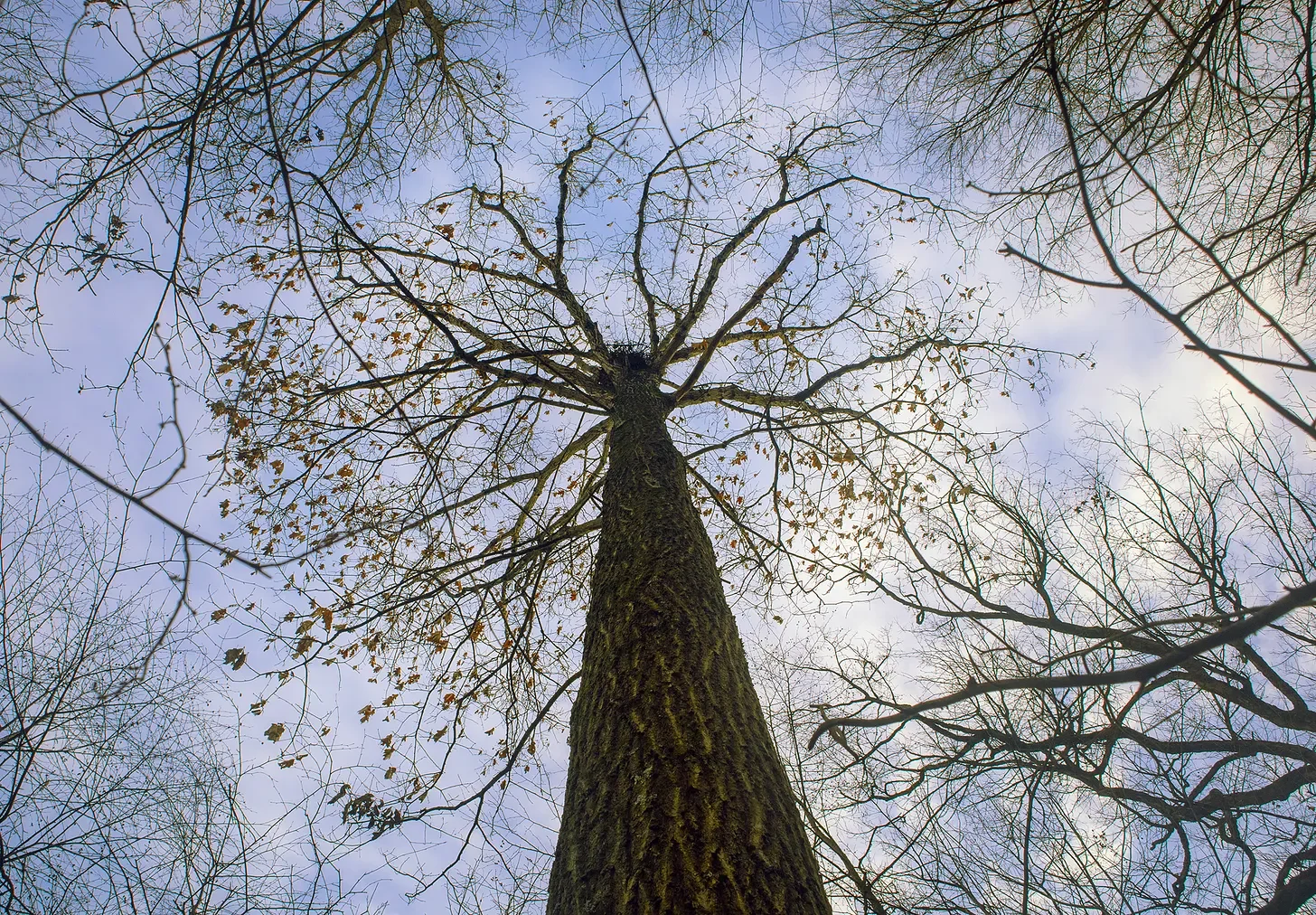
By Friday the winds took center stage, their wild whooshes attuning our attention to every creak and crack along the looming wood’s edge, where a falling giant is not a rare occurrence. We’re no strangers to how brazen a breeze can be, but these have felt more intense, especially when partnered with the now returning rains.
Throughout these ferocious forces of air and water we’ve spent more time indoors than normal, where the inaugural itches of cabin fever have risen to the surface. I attempted to look up the origin of the term and landed on a blog post that included an old quote from the New York Times, asserting:
“It is the common disease of overwhelming domesticity.”
I can’t get those words out of my mind - overwhelming domesticity - for if cabin fever is such a disease, perhaps the cause is merely a withdrawal from wilderness.
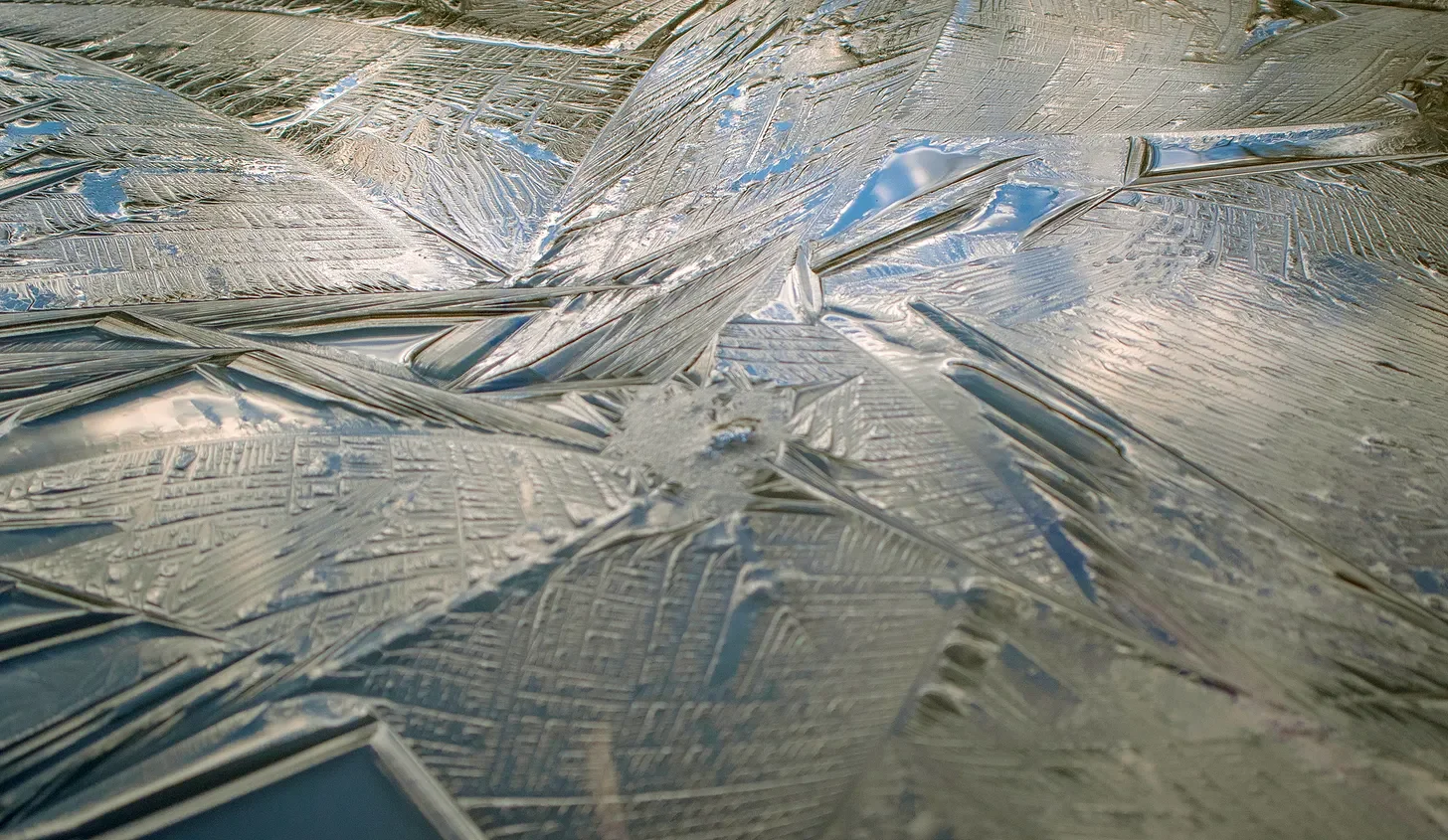
Amidst classic winter weather it’s easy to bundle up, tromp through dry drifts and receive a daily dose of fresh air. Even the crackly, crème brûléed surfaces of ice capped snow can be enlivening to adventure through, but freezing rain and violent winds are simply unendurable.
As folks who are invigorated and restored by the outdoors, and whose passions and pursuits are explored in that realm, the domestic domain has become our necessary retreat this week (only overwhelming in a stifling sort of way). Through the windows we watch the willows endure wet whiplash, knowing the storms are only making them stronger. I wonder how we, in our cozy confinement, could become stronger too.

Maybe the remedy is merely to surrender to the moment (as the remedy often is), and shift the idea of domesticity as disease to more of a restorative tonic. Because while the water table fills outside, there is a distinct deficit of rest within these four walls that is perhaps best replenished under the soundtrack of rain on the roof.
Originally Published on January 14, 2024
Questions About Willow, Basketry & More
We asked our Instagram community for questions, and have consolidated and categorized our answers.
Growing & Managing Willow
Is it possible to grow willow everywhere? Can I plant it in my garden, or a very wet area?
An important consideration when planting willow is its proximity to underground water drainage, supply pipes and/or foundations. The rule of thumb is to plant at least 50 feet from any structures that may have these in their surrounding area. Unfortunately this means most home gardens are unsuitable, as the willow roots will gravitate towards these and wreak havoc in pursuit of water. That being said, it is not recommended to plant them in areas with standing water. Seasonally wet, or intermittently inundated, should be acceptable for plantings.
Willow is a very eager and resilient plant that will grow easily in a variety of environments, but we can only speak to the success in our region of the US. We recommend checking your local area and/or suppliers for specific information.
Are your plants weeping willows?
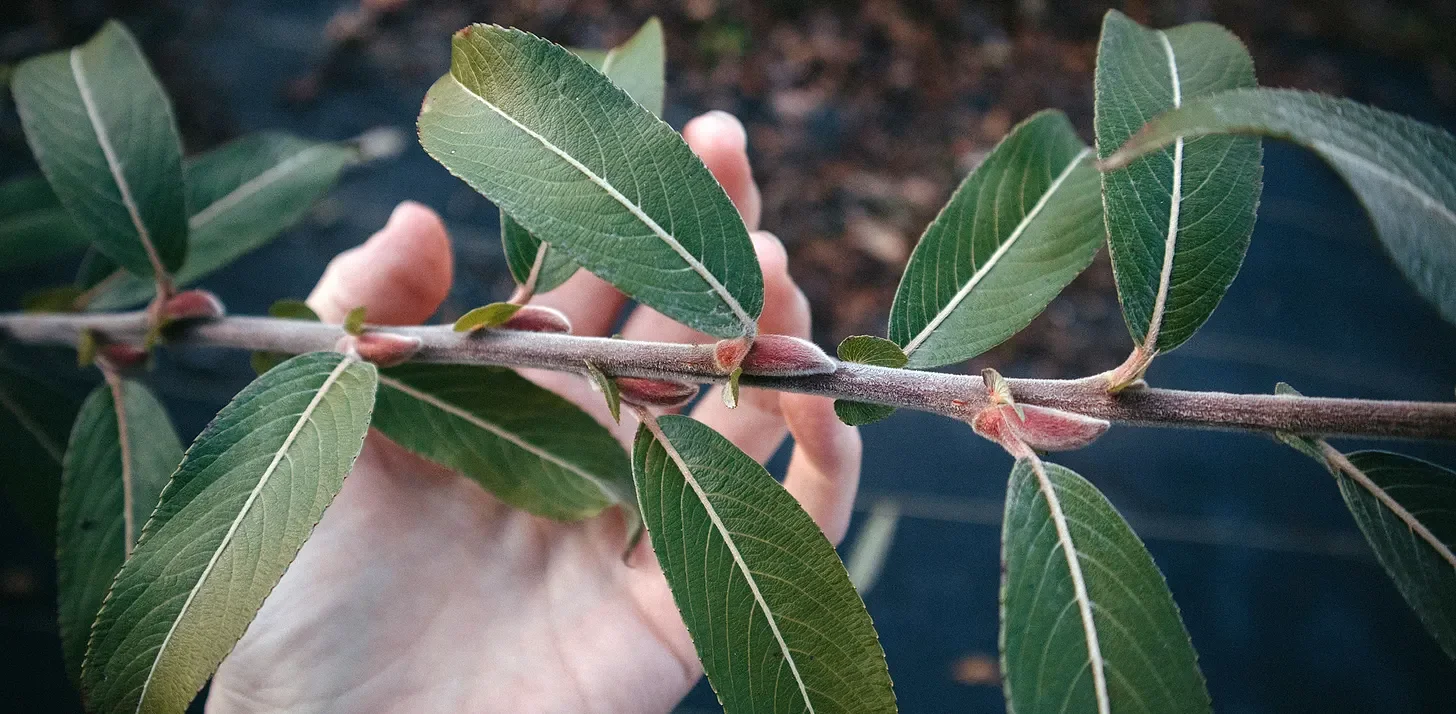
No. We manage our plants as shrubs, and most of them would, if left unmanaged, top out as simply a large shrub. Some of them would grow into massive trees, similar to a weeping willow, but our annual coppicing/pollarding prevents this.
Why use landscape fabric? Will you ever remove it?
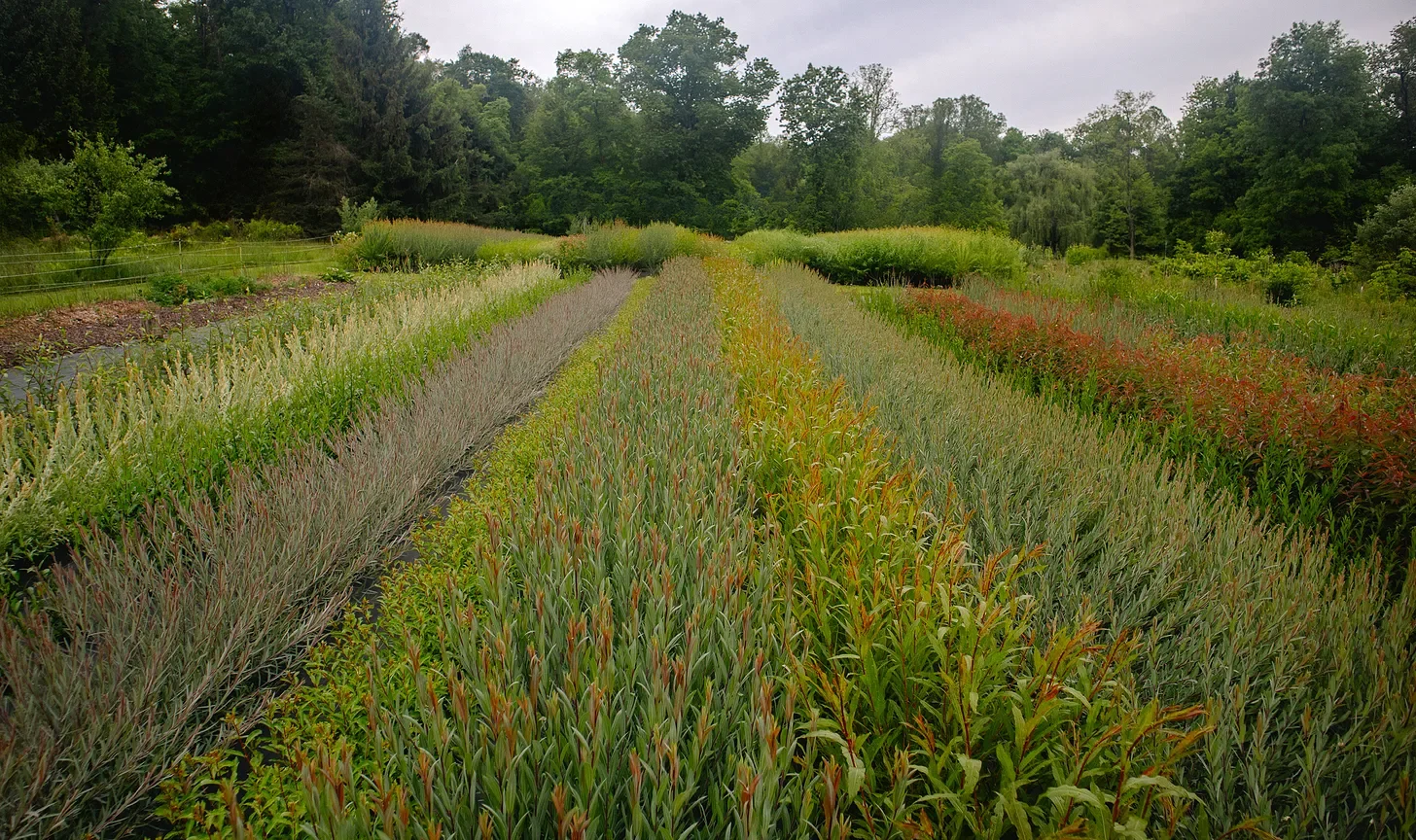
We would prefer not to use landscape fabric, but it allows us to plant on a larger scale without the need for intensive weed management. Without the fabric we’d also need to acquire excessive amounts of wood chips, which has not been feasible financially or in terms of supply availability.
The ultimate goal is to remove the fabric once the plants are mature enough, as their root systems will have out-competed any other perennial plants, or annual weeds.
Do you plant every year or is it perennial? Do you plant from seed?
It is a perennial plant that we propagate through cuttings, which produce genetically identical plants that have ideal traits for specific purposes.
All of our willow was planted from cuttings, never from seed. Cross pollination between different varieties would produce copious amounts of seed, and potentially yield useful varieties for weaving, or other applications. We have not experimented with breeding at this point, but may do so in the future.
Any experience/tips using native willow species?
Yes. In terms of growing, we do have particular native species here on our property. What we would caution anyone to look out for is that some native species will send out runners, and spread into places that you may not want them.
In terms of weaving, certain native species are excellent. You would just have to do some research when you’re selecting which varieties you’re interested in, if they have historical data about that particular use. Most of our varieties originally came from Vermont Willow Nursery, and they have an excellent system of categorization that will show you which varieties are best for basketry, and are native.
How can I start pollarding my willow? How does one establish willow from cuttings into a short pollard?
Managing willow into pollards can start at either stage - before planting, or after you’ve already started coppicing. If you’re starting out from the planting stage, longer cuttings can be utilized to get your first year plants to the height that you want to start your pollard.
If you’ve already coppiced your plants, and wish to move to a pollard, during the dormant season when you are harvesting, we would recommend selecting two or three rods, cutting them at the height of your desired pollard, and managing them as such in subsequent years. We are currently experimenting with this ourselves, so this is still in the R & D phase.
How long does it take for willow plants to be established enough to cut?
Harvesting begins after the first year of planting, and the material from that first year isn’t the best (but usable). If coppicing as a means to create weaving material is the goal, it’s best to start right away, and every year following.
Harvesting begins in the dormant months, for us that’s December - March(ish). In successive years harvests will get better and better until year 5 when they’re producing at maximum potential. We’ve read they will do so for at least 25 years before any noticeable decline.
What is your spacing? Why single rows?
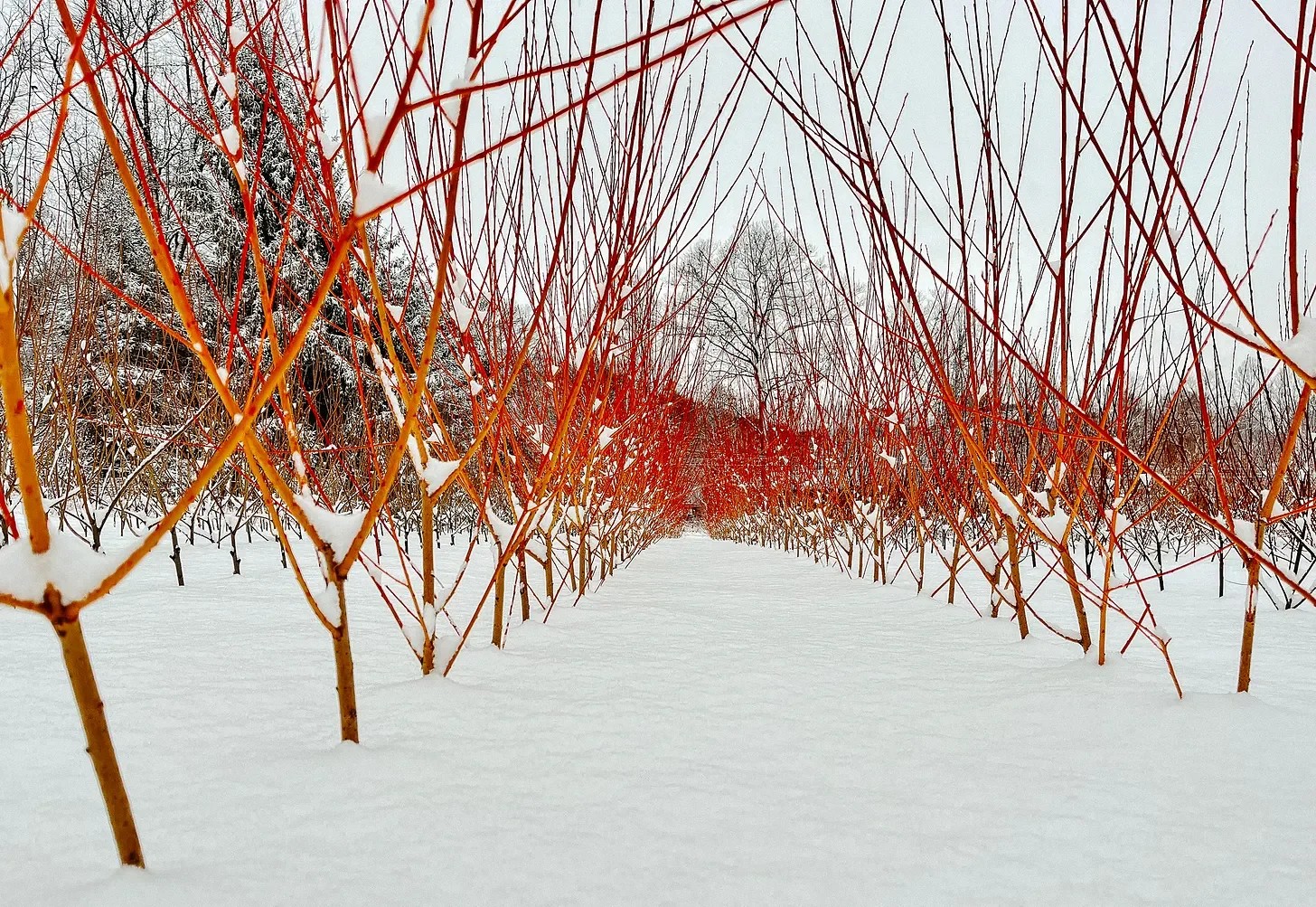
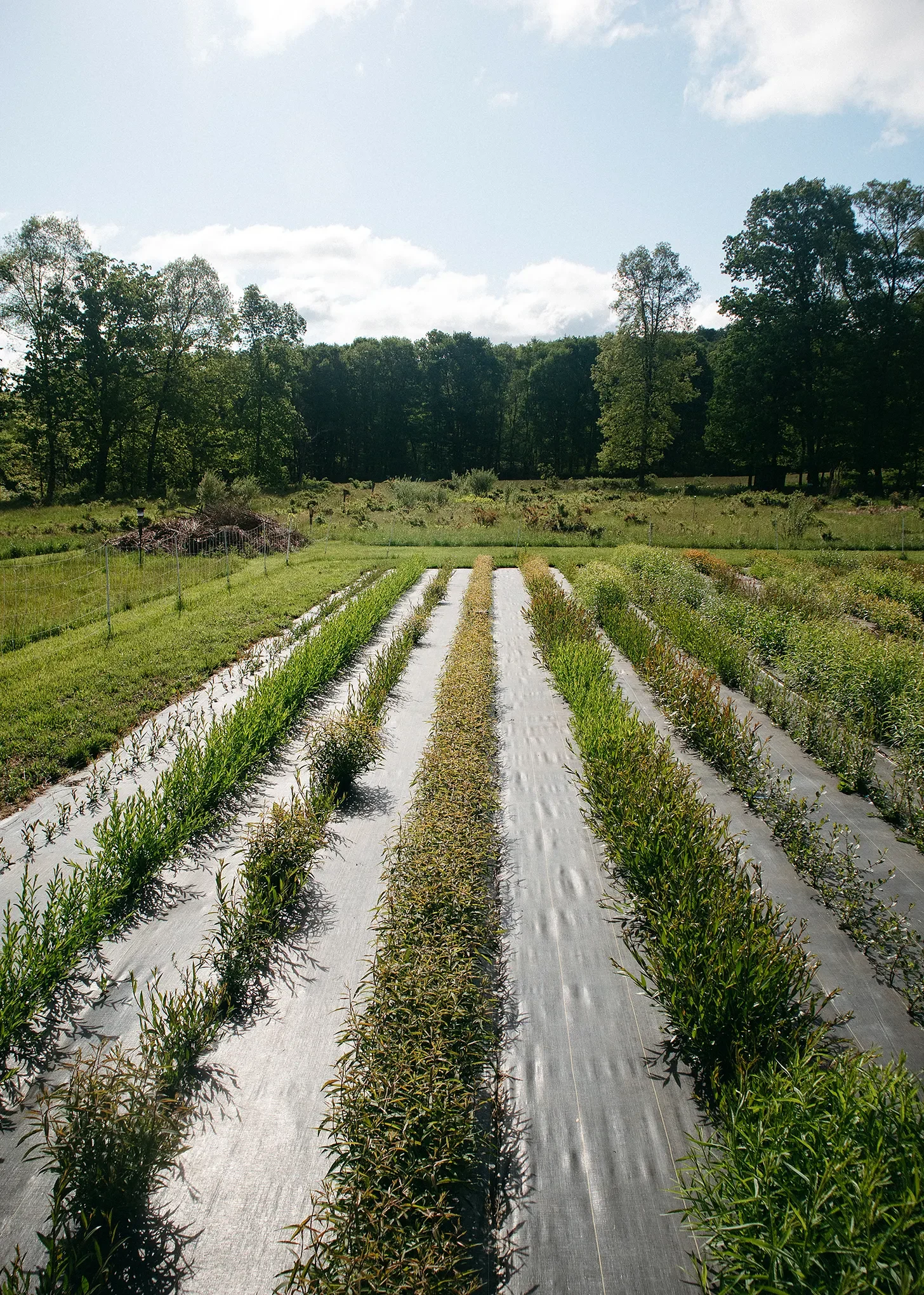
We plant 3 feet between rows, and 1 foot between plants within each row. Single rows were done with the intention of ease when accessing to harvest/weed/inspect. We also plant multiple varieties in blocks, so rows allow us to keep each individual variety organized.
For further wisdom on this topic, check out this post from Dunbar Gardens, a portion of which is quoted below:
Spacing of the willow cuttings depends on several factors including how the willow will be harvested, how weeds will be controlled, variety, and soil fertility. We are using a spacing of 6 inches in the row by 36 inches between rows for most of our basket varieties. We have also used 12 inches by 24 inches. Wider spacing is appropriate for producing large rods for garden structures, trellises, or living fences; or when growing in poor soils. Hedges can be planted in a single row spaced from 12 to 24 inches; or a double row planted 24 inches apart with the plants offset.
How many varieties do you have planted? Recommended varieties for growing to weave?
We have over 100 varieties planted, all of which serve different purposes beyond just weaving material. This is excessive, but if we had a small plot, and limited opportunities for different varieties, we would start with any of the Dicks selections, and beyond that any S. purpurea varieties are typically good for weaving and would offer a fair amount deer resistance.
Weaving/Basketry
How did you get into basketry and learn to weave?
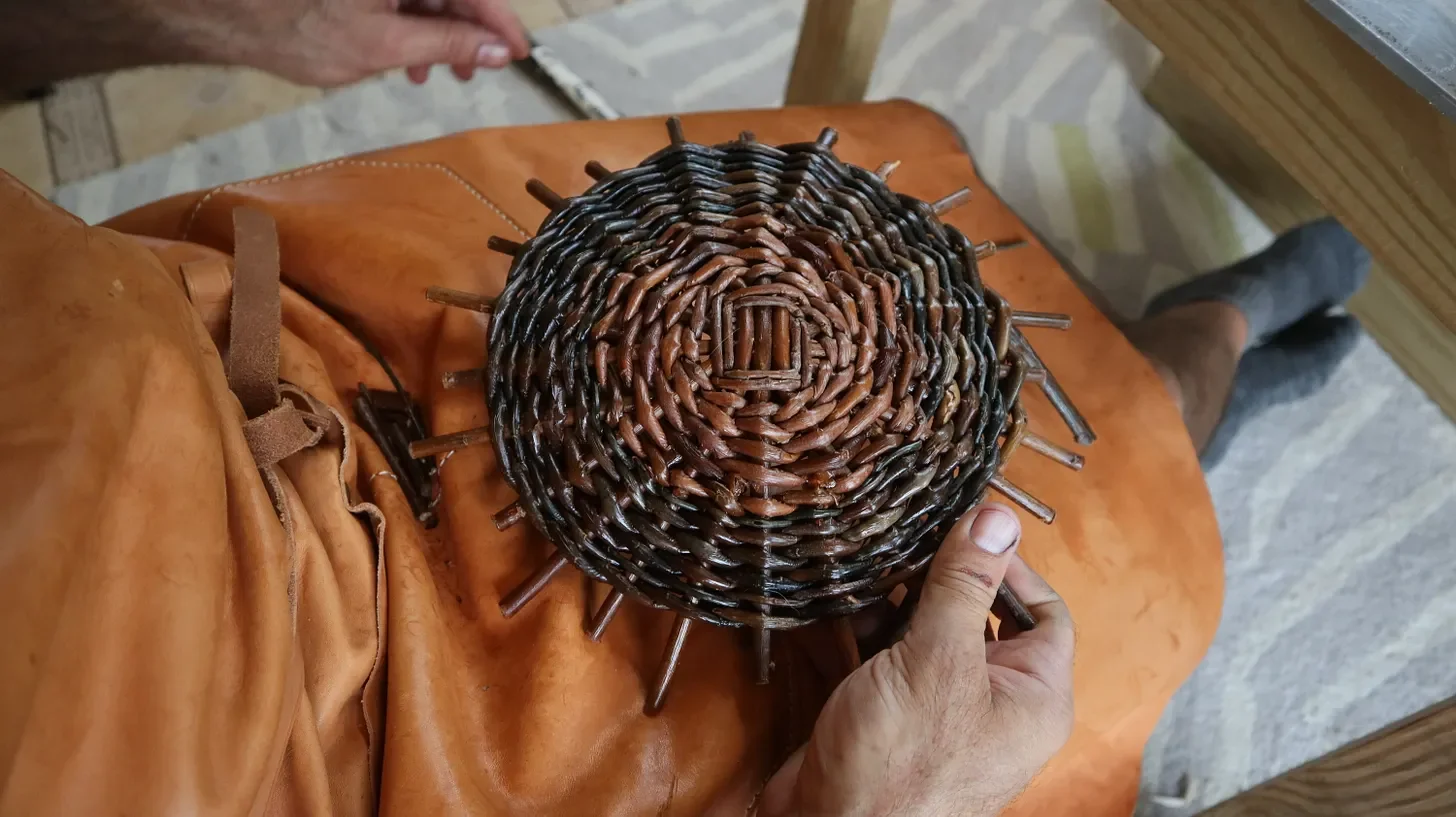
When Dan turned 40 in 2018 he was desperate for a craft to do during the dark Pittsburgh winters, and came across a video of someone making a basket. After that he learned to weave mostly through YouTube videos, then books, and ultimately a few in-person classes with experienced weavers.
How long does it take to make a basket?
The short answer would be that most baskets take one day. Some of the more complicated forms will take two days, but typically no more than that. The addition of leather work, or pre-dried frames and forms, all add to the length of time.

How do you soak? Can you steam dried willow?
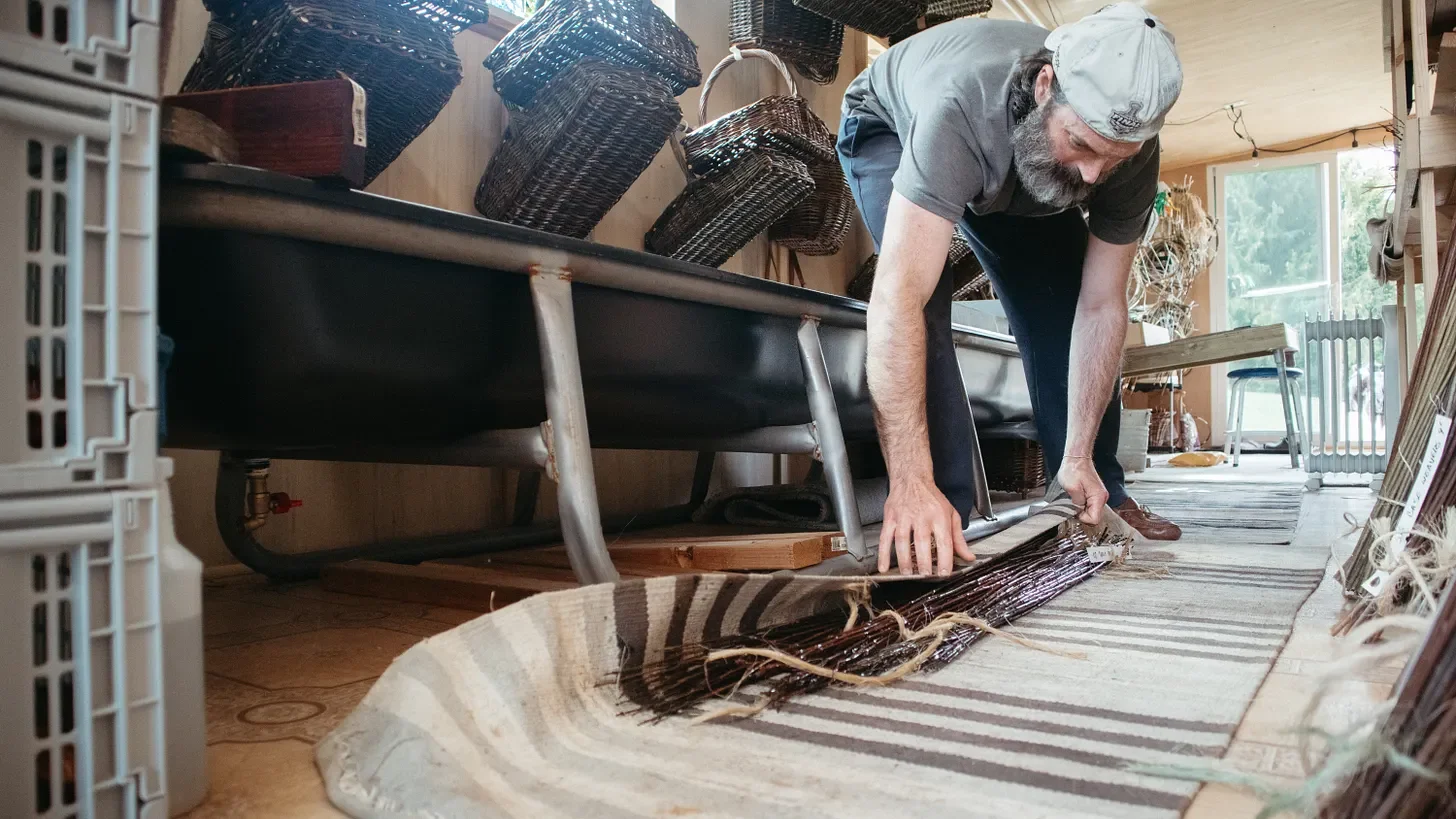
Our soaking setup is detailed on this blog post. You can steam, but we have never tried that technique. We recommend these sources to learn more:
How to prepare willow for basket weaving (YouTube)
What do you coat your baskets with? Any lacquer, wax or dyes?
All of the colors in our baskets are the natural bark color, and once our baskets are complete we do not add any coatings whatsoever. We prefer to simply provide proper care instructions to keep the baskets functioning in an ideal condition for as long as possible.
Is weaving hard? Can anyone do it?
It really depends on your definition of hard, as everyone will have different experiences. Physically it can be demanding, especially for people with arm mobility issues, as the sustained tension required to hold and manipulate the rods is above and beyond most daily requirements for our hands. With persistence, however, techniques will improve along with the weaver’s endurance and strength.
Personal
How long have you been on your property? How big is it?
We moved here in the summer of 2017, and started Foggy Blossom in 2018. The property is a little over 12 acres.
Why the name “Foggy Blossom?”
We live near the confluence of the Allegheny and Kiskiminetas rivers, and fog from their interaction rolls uphill and often settles in our fields. And at the time that we named our business we were working towards a more cut flower-focused operation, hence the blossom, but thankfully everything we grow buds at some point, so the name still makes sense for us.
Do you both make baskets?
Dan is the weaver and willow grower, and I (Betsy) do everything else. We do collaborate when teaching classes, but all the weaving wisdom belongs to Dan.
Originally Published on January 21, 2024
The Shape of the Starting Gate
Another January on the Books
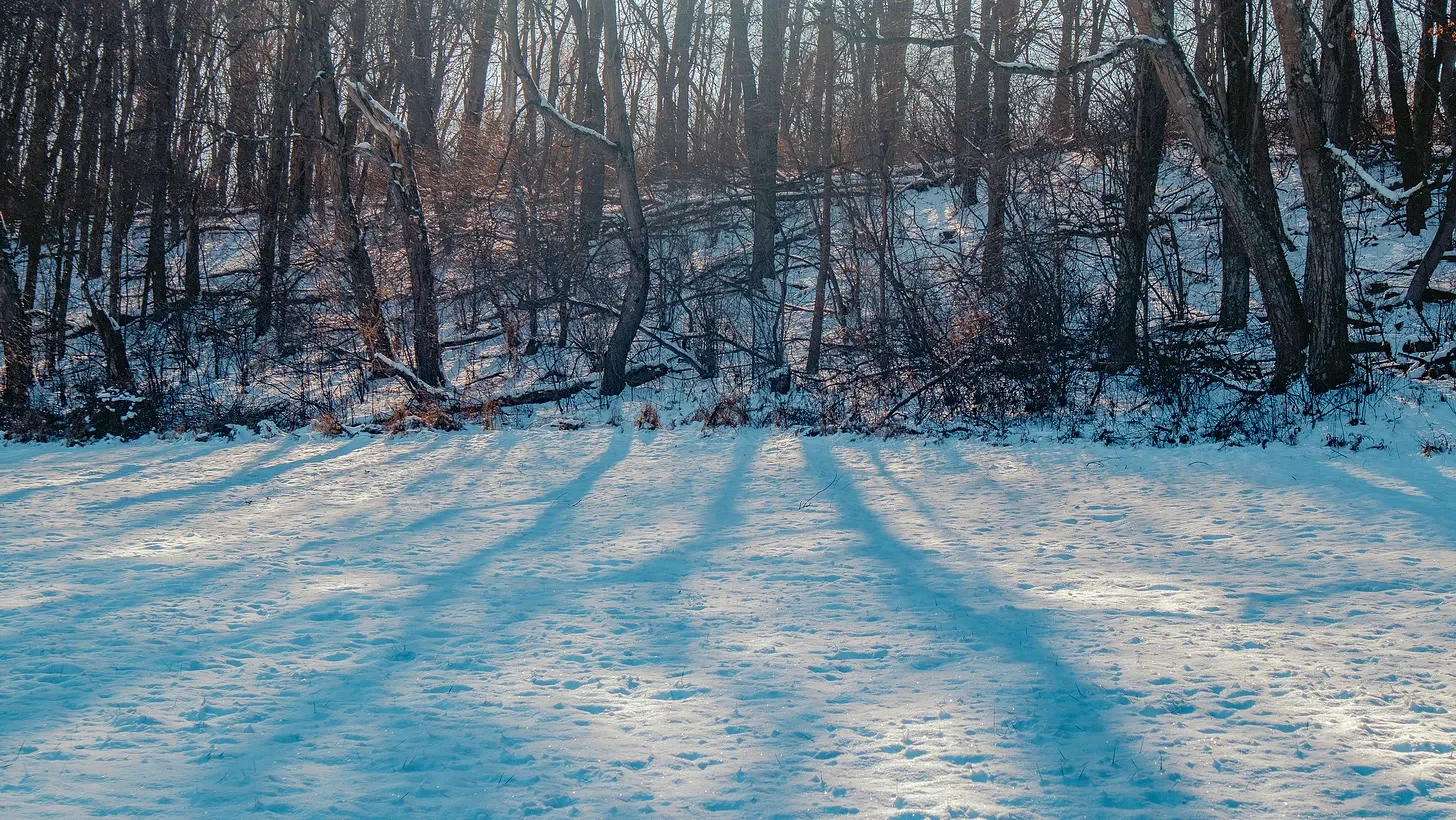
There’s a fresh batch of sauerkraut in our fermentation crock, the lid of which periodically bumps to release the built up bubbles.
Other than being startling, it’s audible evidence that something is alive in our kitchen. Here in January, any and all signs of life are welcome.
It doesn’t take much to get the fermentation process going – some cabbage, salt, and the right vessel. Despite that simplicity, the results and timeline are unpredictable, and the best batches are inherently inimitable. There are too many factors at play to ever duplicate the outcome exactly, but overall, the process is reliable and the results last for months.
As January winds down, I hope that all the pursuits that haven’t yet begun to bubble in our world will mirror a similarly dependable cycle.
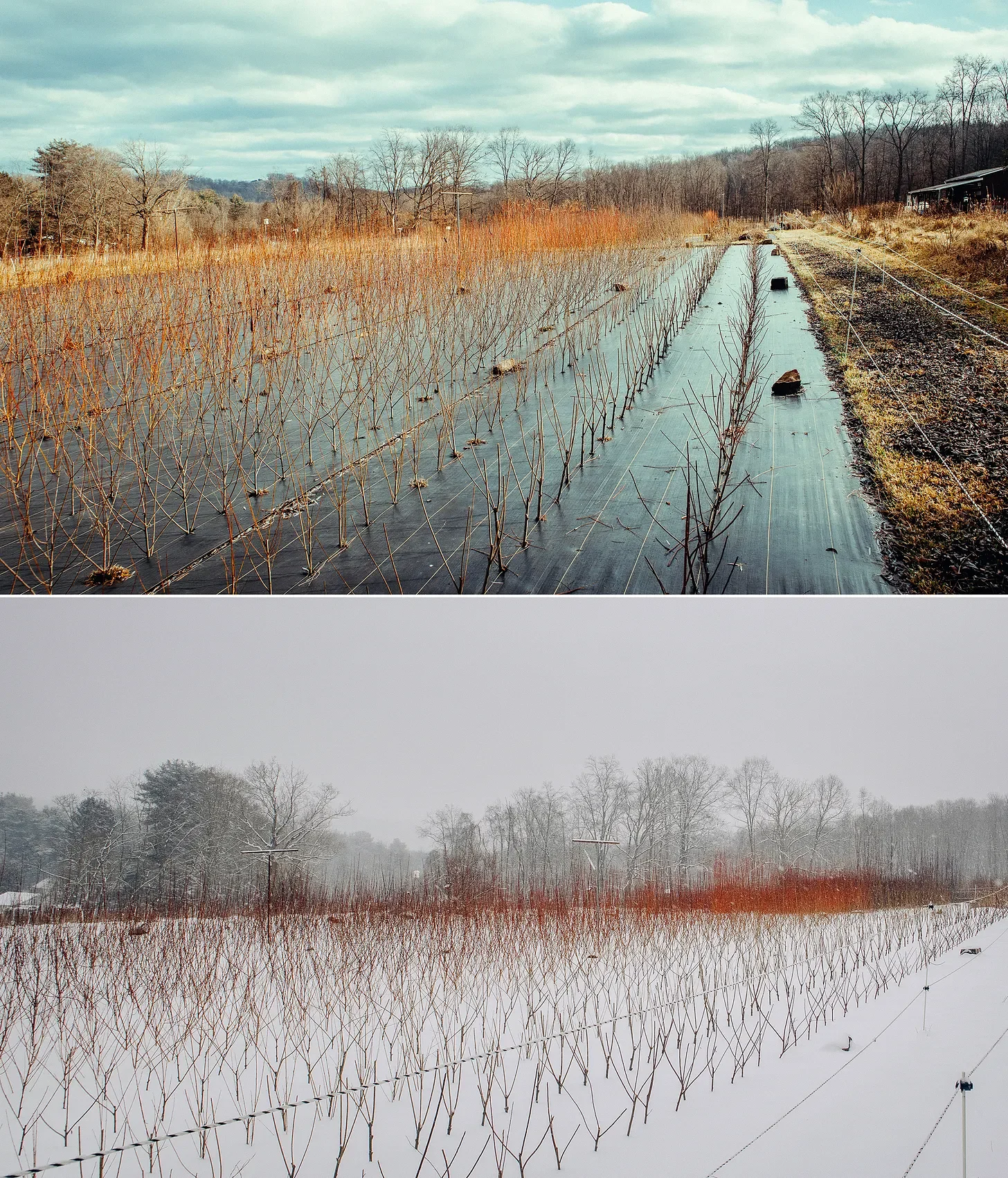
The willow fields were largely left alone this month thanks to prolonged stretches of atrocious weather. Violent winds, arctic temperatures, and overly saturated earth left little room for harvesting, but there were moments of fresh air fun to be found.
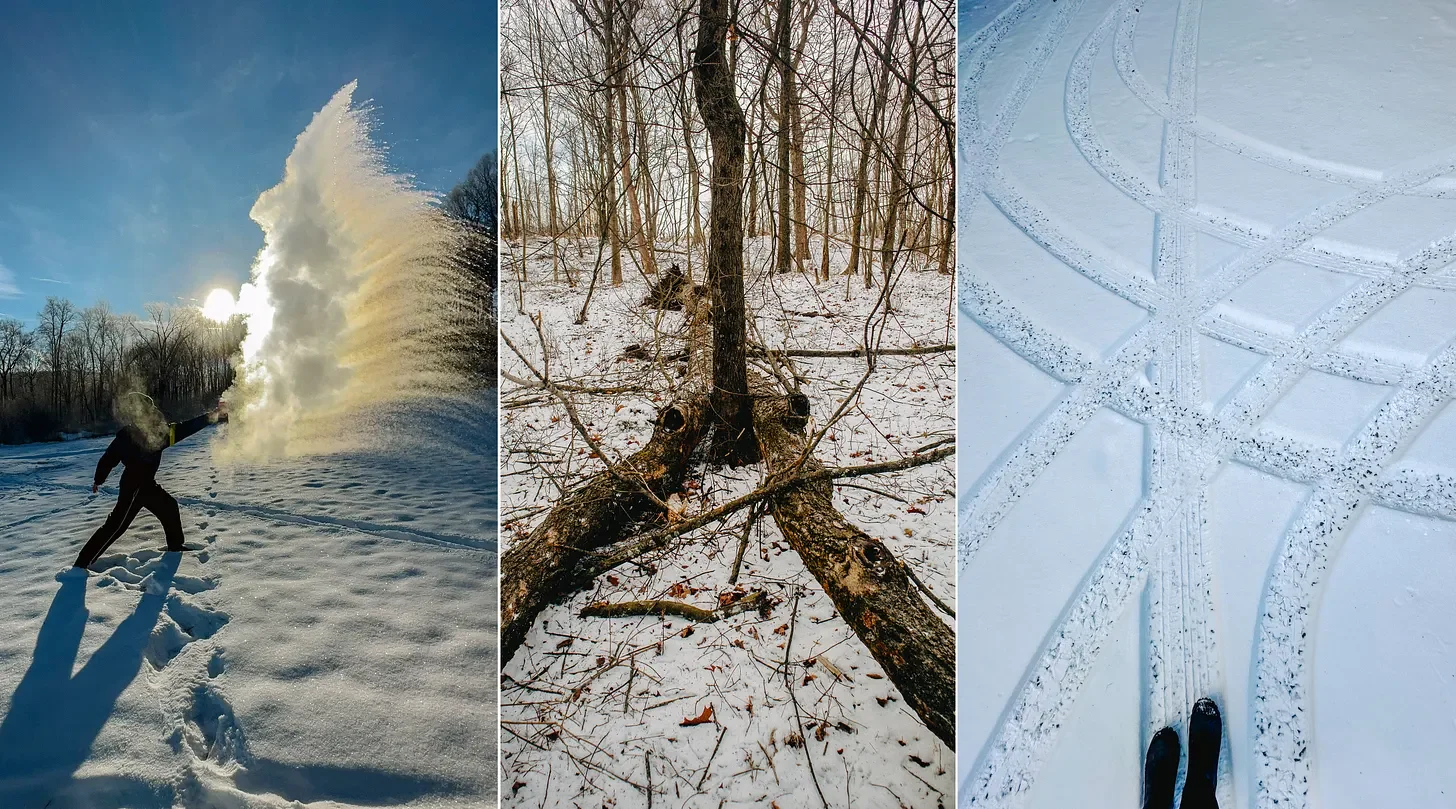
On one of the most frigid mornings we threw cups of boiling water into fantastic explosions of steam and light. In the woods we marveled over the tree that fell, perfectly straddling its neighbor. In the driveway we stopped to notice the tire tracks that cut through fresh snow, leaving enchanting lines and shapes.
It’s been very quiet, which has created a lot of room to worry about whether or not we’ll get it all done - the harvesting, the making, the teaching. In that idle space we wonder if we want to be the willow people forever. Having a niche is nice, especially after years of sampling a wide array of options, but the desire for novelty still rises.
We discuss what it would look like to live in a way that is, in the words of Dan, “one continuous expression of who you are.” We try to embody that thought, and muse over how maybe that’s a message we’re meant to share, above and beyond basketry techniques. I wonder if I’m able to continously express anything, let alone myself.
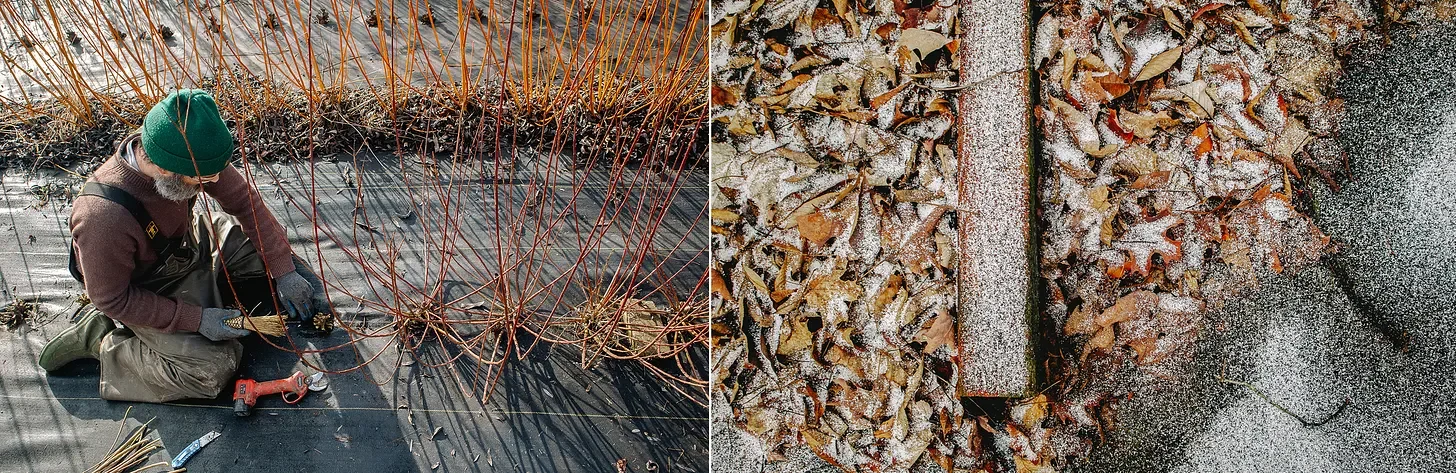
As soon as work can continue, our conversations change. Momentum acts as an antidote to much of the worries and anxieties that make the rest of the year appear as an intimating, untraversable road. In stagnancy things can take on distortion, but within activity there’s tangible information to be gleaned, and a clear path to follow.
Here at the starting gate of 2024, all of these formless facets do add up to an undeniable, continuous expression of life, making any parsing seem irrelevent. We are ourselves, always. Our individual ingredients are inescapable.
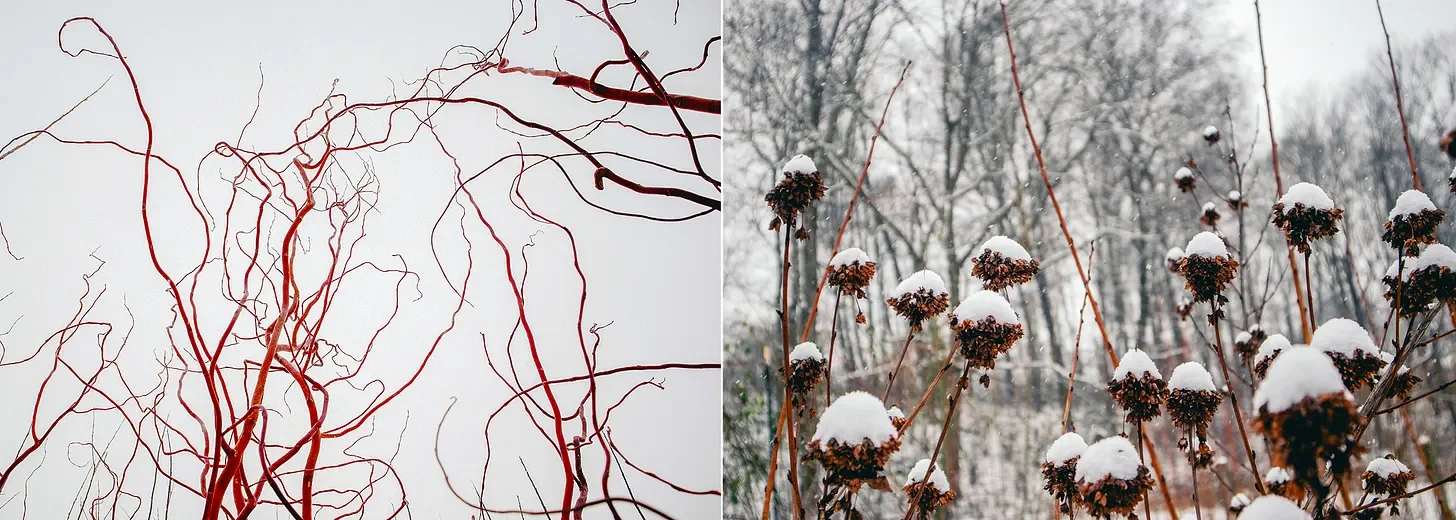
At the outset of any year, the months ahead are obscured and unpredictable. I suppose it’s in our nature to force some certainty upon the void, or escape into distractions when there’s no answers to be found. But rather than manipulating, or ejecting ourselves from the moment, perhaps there’s a more graceful way to endure it all.
Aside from the action in our fermentation crock, January is ending in far more stagnant than active fashion around here. This rhythm reinforces the classic winter lessons of rest, patience and slowing down, which we’ll aim to carry into February. Below the surface of winter there’s a whole year ahead waiting to bubble up in due time, and throughout it all we only must be ourselves. What’s more dependable than that?